
Kammok · Tents & Shelters
Sunda 2.0 Tent with Footprint

$318.24
$580.43Save $262.20 (45%)
at REI

Price Historylast 2 months
Low $318.24 · High $318.24. Hover the line to see each change.
Is this a good deal?
- The current price has held for 59 days.
- Across the 84 Tents & Shelters deals we’re tracking right now, the median discount is 25% — this deal’s 45% off is well above that mark.
Based on prices we’ve recorded from REI since July 2026, refreshed several times daily.
About this product
The Kammok Sunda 2.0 is a freestanding, three-season backpacking tent built for two, bundled with a footprint for added floor protection. Its four-pole aluminum DAC architecture creates a notably spacious interior for its weight class, with 34.7 square feet of floor space across a 100 by 50 inch footprint and a 38-inch peak height, plus a 6.9-square-foot vestibule accessible through two doors. The canopy and rainfly are both constructed from Lumos 20-denier ripstop polyester with a silver-coated interior PU coating rated to 1,200 mm and fire-resistant treatment, keeping weight low without sacrificing weather protection. The floor steps up to 40-denier ripstop nylon with a 2,000 mm PU coating and a durable water repellent finish for reliable ground-level moisture resistance. Minimum trail weight comes in at 4 lbs. 3.5 oz., and the tent packs down to a compact 7 by 19 inches, making it a practical choice for multi-day backcountry trips. The included footprint can also be pitched independently with the rainfly for a lighter shelter option at just 8.2 ounces.
- Category
- Tents & Shelters
- Brand
- Kammok
- Material
- Aluminum DAC
- Color
- ARBOR GREEN
- Size
- 7 x 19 inches
- Seasons
- 3-season
- Best Use
- Backpacking
- Floor Area
- 34.7 square feet
- Min. Weight
- 4 lbs. 3.5 oz.
- Packed Size
- 7 x 19 inches
- Peak Height
- 38 inches
What people are saying
Reviewers consistently praise the Kammok Sunda 2.0 for its genuinely versatile ground-to-air concept, spacious interior (nearly 35 sq ft with near-vertical sidewalls), and the convenience of the integrated rainfly that speeds up pitching. The quick tent-to-hammock transition is highlighted as a real-world improvement over the original Sunda. The most common criticisms center on weight (packed at roughly 6 lbs, noticeably heavier than comparable ultralight tents), a learning curve for hammock-mode setup, and inconsistent weather protection in rain. Several users also flag build quality concerns, including stitching failures on corner hardware, and report difficulty getting warranty claims honored. Most reviewers conclude the tent mode performs well enough on its own, but treat the hammock function as a useful backup rather than a primary feature.
Specifications
- Rain protection
- 1/5
- Packed weight
- 1.81 kg
- Sealed seams
- Yes
- Sleeping capacity
- 2
Related Guides
Less Gear, More Trail: A Minimalist Approach to Backpacking
How to build a lightweight backpacking kit on a budget. Practical minimalist gear philosophy, smart swaps, and where to find deals on proven gear.
The Beginner's Complete Camping Gear Checklist (With Live Prices)
Everything you need for your first camping trip — tent, sleeping bag, pack, kitchen, and more. Real prices tracked across outdoor retailers.
More Tents & Shelters Deals
 75%
75%Dometic RT Awning L - Tall
$177.97
75%RT Awning S - Low
$168.52
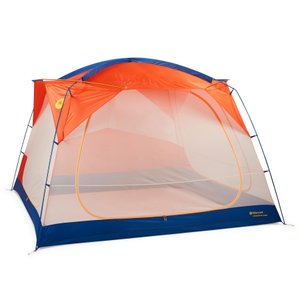 53%
53%Limestone Lanai Shelter
$269.99
 50%
50%Wyoming Trail 4 Tent
$673.29
 46%
46%Big Agnes Sage Canyon Shelter
$219.69
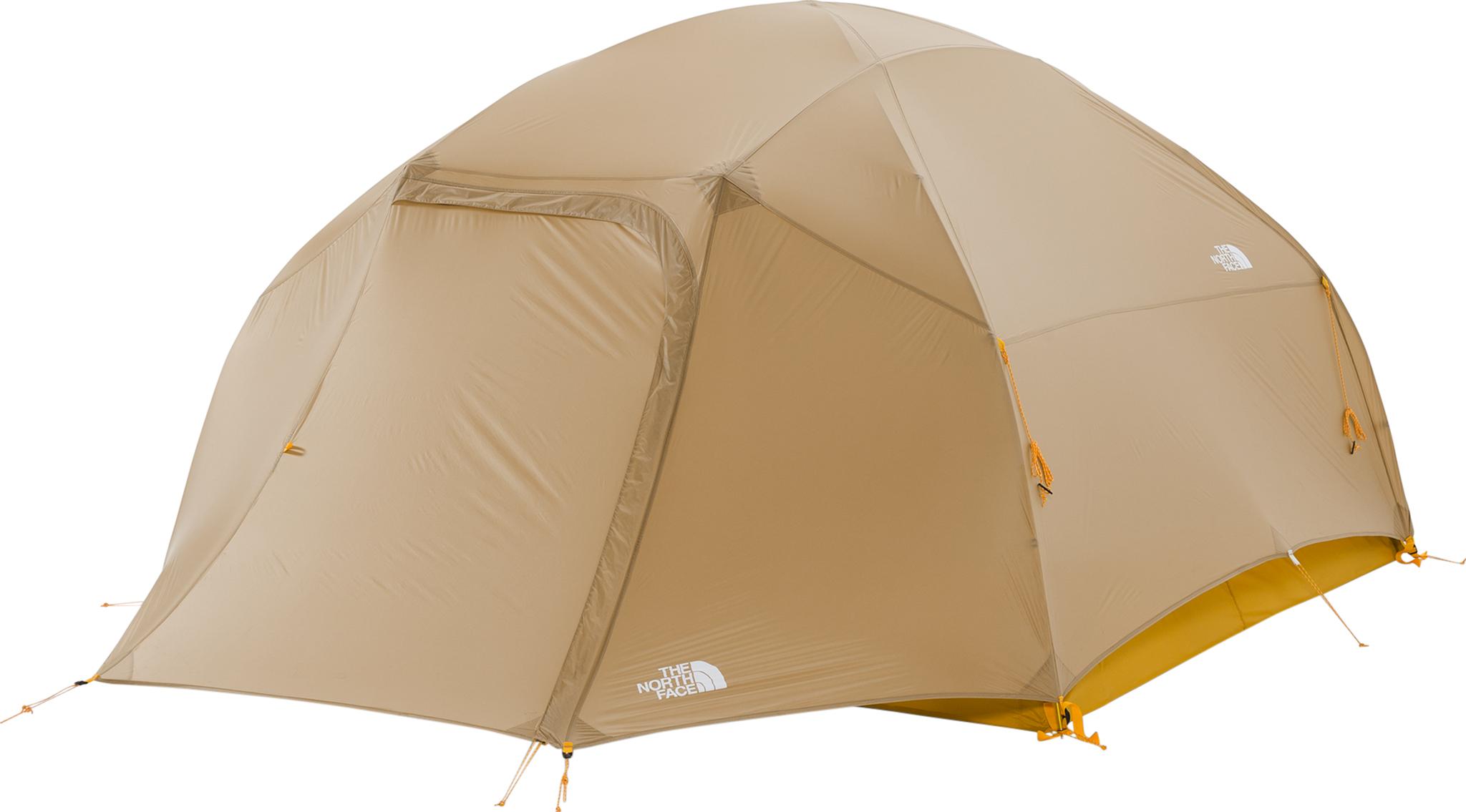 45%
45%Trail Lite 4 Tent - 4-person
$340.00