
Furia Air Climbing Shoes - Men's

$154.37
$248.99Save $94.62 (38%)
at The Last Hunt

Price Historylast 3 months
Low $146.00 · High $199.19. Hover the line to see each change.
Is this a good deal?
- The lowest price we’ve tracked since June 2026 is $149.00; today’s price is $154.37.
- The current price has held for 2 days.
- Across the 47 Climbing Gear deals we’re tracking right now, the median discount is 36% — this deal’s 38% off is right around that mark.
Based on prices we’ve recorded from The Last Hunt since June 2026, refreshed several times daily.
About this product
The Scarpa Furia Air is a high-performance men's climbing shoe built around a highly downturned, highly asymmetric FZ last, making it well suited to steep bouldering and sport climbing. The perforated Microsuede and Alcantara upper keeps weight to a minimum while promoting breathability and a close, sensitive fit. At just 150g (5.3oz) per half pair in size 40, the shoe is among the lightest in its class. A Flexan 1.0 midsole delivers responsive flex, while the 3.5mm Vibram XS Grip2 outsole provides reliable friction on both rock and indoor surfaces. The DTS-Tension active rand holds the shoe's original shape over time, and the SRT structural toe wrap in M50 rubber enhances friction and sensitivity for toe-hooking. The PAF heel system distributes tension across the heel, reduces pressure on the Achilles tendon, and improves heel-hooking performance. The shoe is PFAS compliant and made in Italy from primarily synthetic materials.
- Category
- Climbing Gear
- Brand
- Scarpa
- Material
- Upper: Perforated Microsuede & Alcantara, Midsole: Flexan 1.0, Primary: Synthetic
- Color
- Colour: Baltic - Blue - Yellow
- Last
- FZ
- Pfas
- PFAS Compliant
- Upper
- Perforated Microsuede & Alcantara
- Midsole
- Flexan 1.0
- Outsole
- Vibram® XS Grip2(3.5mm)
- Primary
- Synthetic
What people are saying
Reviewers consistently praise the Scarpa Furia Air for its extraordinary sensitivity and featherlight feel, describing it as one of the softest, most minimalist climbing shoes ever made. The sock-like fit and perforated microsuede upper earn repeated compliments for comfort and breathability, and users highlight its excellence for gym bouldering, steep overhanging routes, heel hooks, and smearing on slippery surfaces. The 2026 update is noted for improved strap tension and better heel rubber coverage. The most common criticism is that the shoe is too soft for sustained outdoor edging or crack climbing, making it a poor choice as a sole all-around shoe. Beginners are consistently warned away, as the design demands solid footwork technique. Some earlier owners also reported the shoe becoming baggy over time, though the updated version addresses this with a redesigned tension system. Sizing down at least a half to full size from other Scarpa models is strongly recommended across reviews.
More Climbing Gear Deals
 70%
70%Zealot Chalk Bag
$29.74
 65%
65%Zealot Chalk Bucket
$34.99
 63%
63%Aragon Climbing Shoes - Men's
$88.78
 62%
62%Aragon Climbing Shoes - Women's
$91.18
 60%
60%Taiss Pro Belay IN Hooded Jacket - Women's
$301.86
 55%
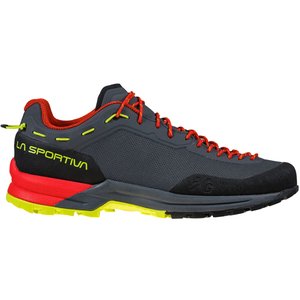
55%TX Guide Approach Shoe - Men's
$120.89
More Scarpa Deals
 60%
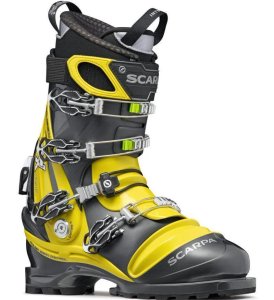
60%TX Comp - Unisex (Prior Season)
$399.60
 40%
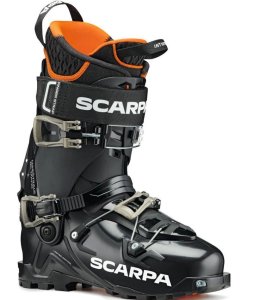
40%Maestrale Remade - Mens
$599.40
 39%
39%Booster Climbing Shoes - Unisex
$151.88
 38%
38%Boostic Climbing Shoes - Unisex
$154.37
 37%
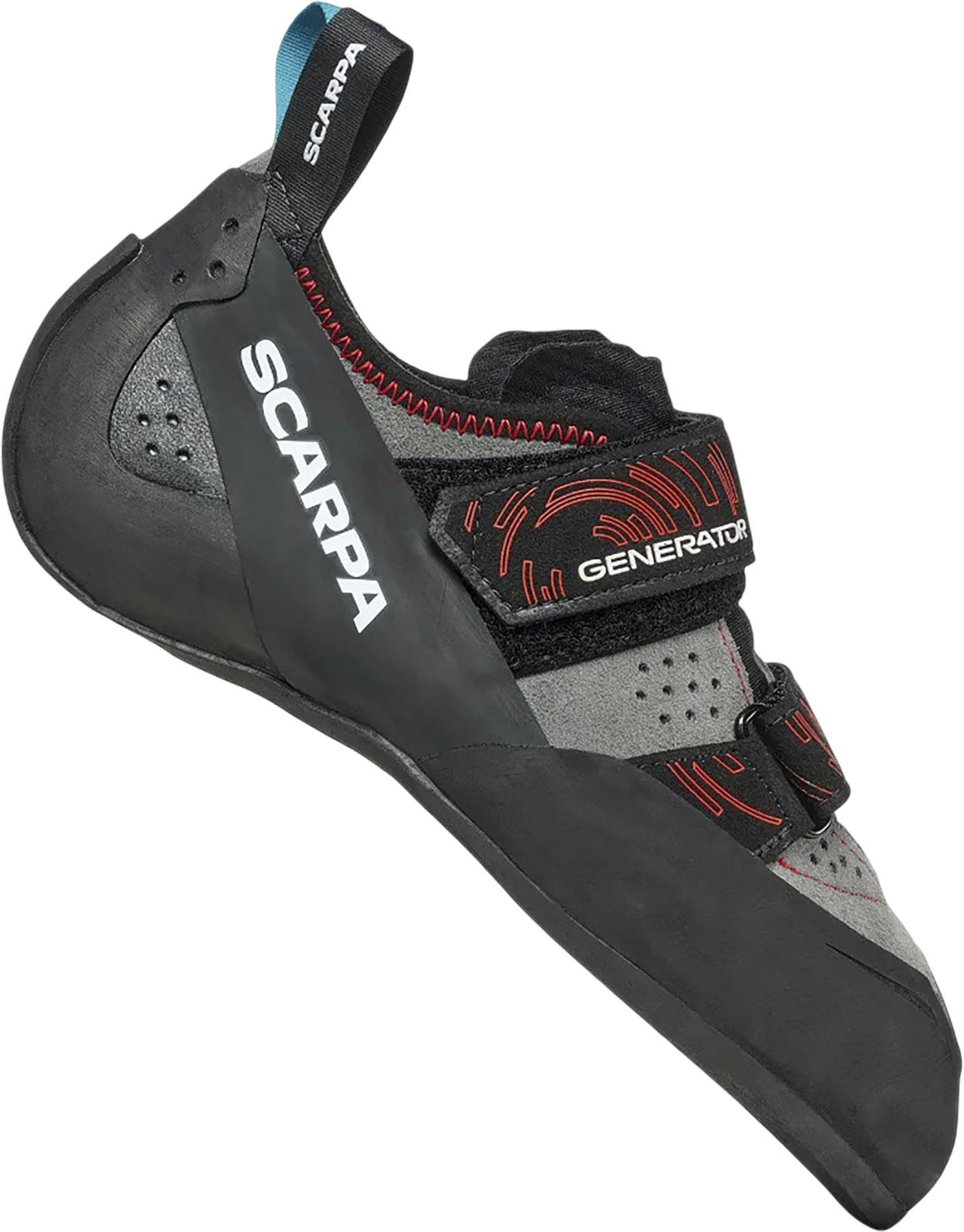
37%Generator V Trad Climbing Shoes - Men's
$144.26