
Best Alpine Touring Gear Deals: Build a Full AT Setup at Half Price
Build a legit alpine touring setup for half the price. Real deals on AT boots, skis, and safety gear — tracked across 18+ outdoor retailers.

How this guide was built
Prices shown are tracked in real time across 18+ outdoor retailers including US and Canadian stores. We monitor sale pages, clearance sections, and seasonal promotions automatically.
Gear lists are curated by our team based on current deals, not paid placements. We select items that offer genuine value — real discounts on quality gear from established brands. Prices update as retailers change them.
Seasonal patterns described in this guide are based on historical pricing data we've tracked across multiple clearance cycles.
Alpine touring is booming. The freedom of earning your turns, accessing terrain beyond the resort boundary, the silence of a powder-covered approach — it's addictive. But the gear. The gear is where dreams meet credit card statements.
A full AT setup — boots, skis, bindings, skins, beacon/shovel/probe, pack — can easily run $3,500–4,500 at full retail. That's a lot of money to spend before you've even figured out if you like skinning uphill for six hours straight.
The good news: you don't have to pay full price. Not even close. The outdoor gear industry runs on seasonal cycles, and if you know when to buy and where to look, you can build a legitimate AT setup for a fraction of retail.
Why AT Gear Gets So Expensive (and Why It Doesn't Have to Be)
AT is a niche market, and niche markets have higher margins. AT boots are engineered for both climbing and descending — they need to support your foot on an uphill traverse, then flex enough to let you ski hard on the descent. Bindings switch between walk and ski modes. Skis need to be light enough to skin efficiently but stiff enough to hold an edge on variable snow. All that specialized R&D costs money.
But here's the thing that changes everything: last year's AT boot technology doesn't expire. The Dalbello Lupo AX 120 is an excellent AT boot whether it's the 2024 model or the 2025 model. The skiing experience is virtually identical.
The key insight: AT gear depreciates on retailers' shelves much faster than it depreciates in actual performance. A boot that's "last season" is still a perfectly good boot. It's just no longer the highest-margin item in the inventory.
The Seasonal Window: When AT Gear Actually Goes on Sale
There's only one window that really matters: March through May, when retailers clear winter inventory to make room for summer stock.
Why this window exists is simple economics. Retailers need shelf space for bikes, camping gear, climbing equipment — the summer stuff. AT gear that didn't sell during the winter season is dead weight in the warehouse. They'd rather sell it at 60–80% off than store it or mark it down even further later.
Spring clearance isn't a "sale." It's a fire sale. We've tracked AT boots dropping 65–82% across major outdoor retailers during this window. Full setups move fast — the best deals don't last more than a few weeks.
AT Gear Price Cycle
When prices peak and when they bottom out
Here's what a complete AT setup looks like right now — built entirely from current spring clearance deals:
AT Setup Under $1,100 (US)
4 items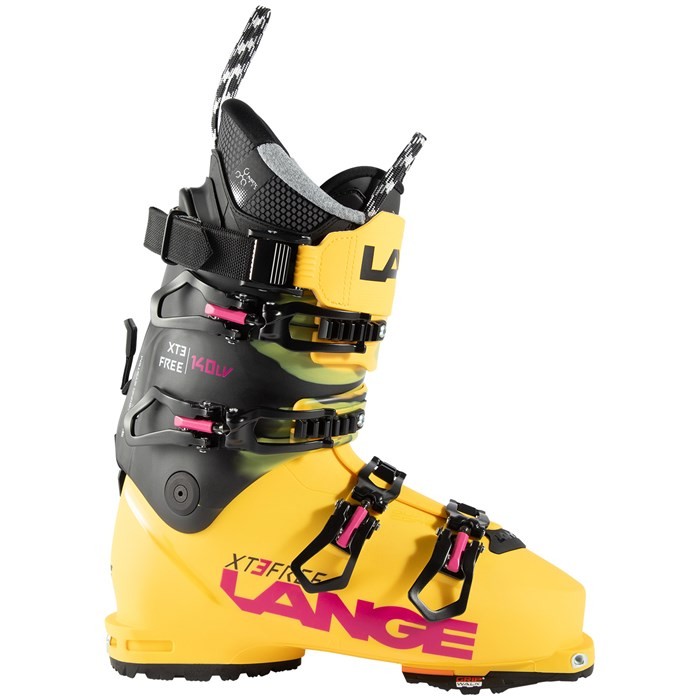
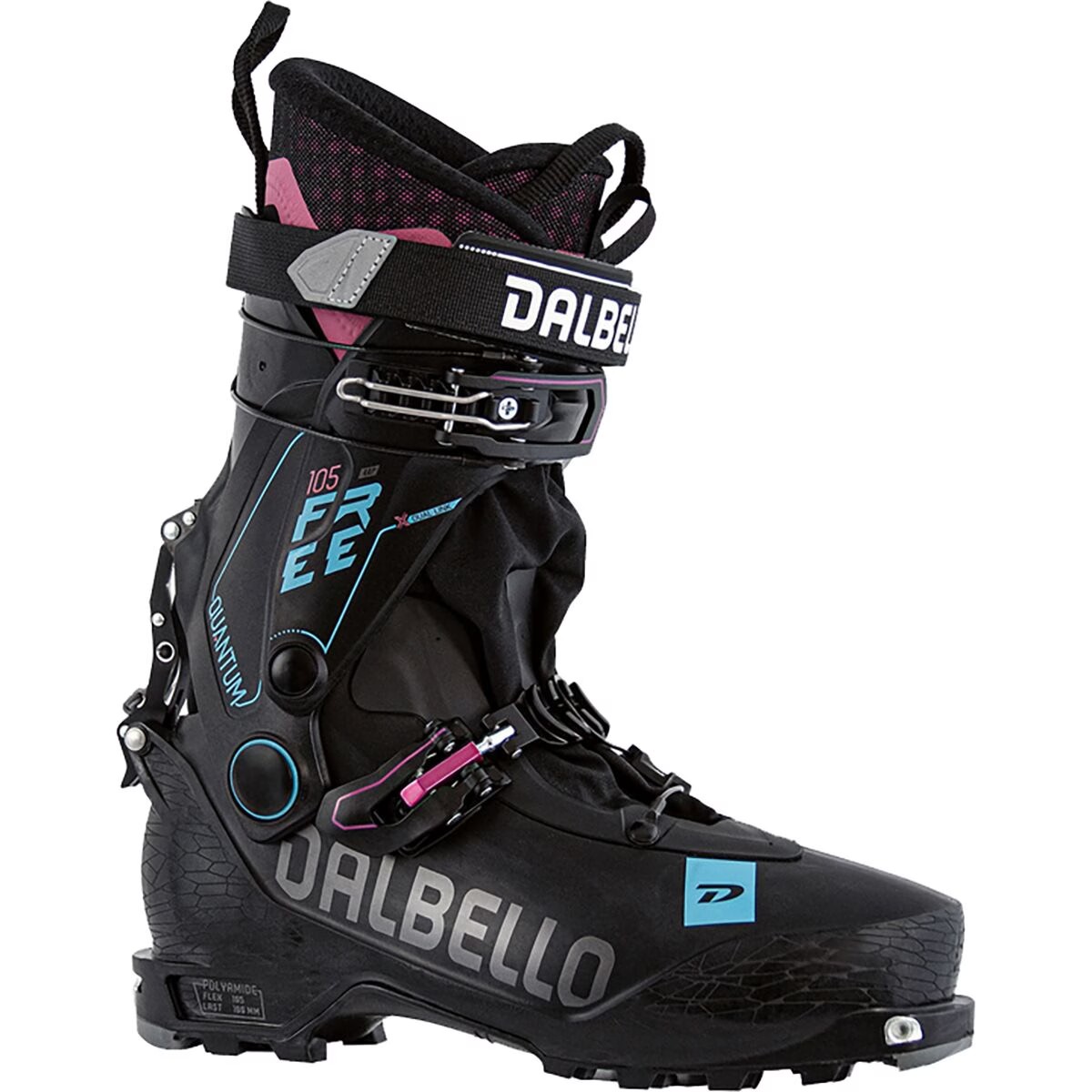
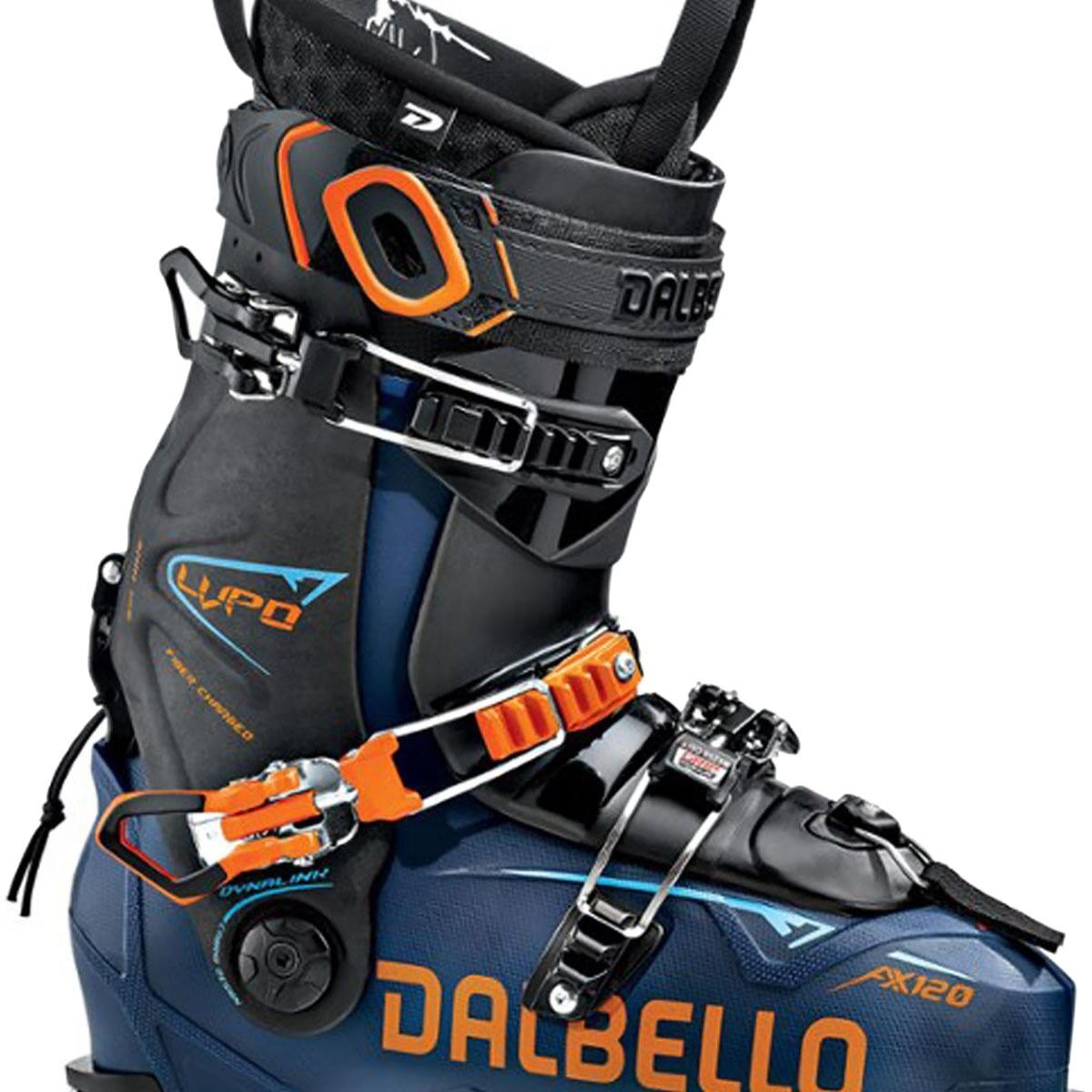
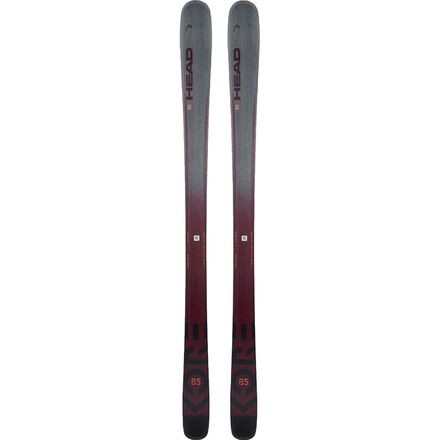
That's a full touring setup — boots, skis, bindings, and skins — for around $1,000 USD or $1,200 CAD. Compare that to $2,400+ at retail. This is the power of buying in the spring clearance window.
Building Your AT Setup: What to Prioritize
Not all AT gear is created equal when it comes to buying on sale. Some things you should hunt for deals on. Some things you shouldn't compromise on.
What's in an AT Setup
Typical retail vs spring clearance pricing
Fit is everything. Try before you buy.
$300–800
$150–400
95–105mm waist for versatility.
$600–1,000
$300–550
Pin bindings for touring, frame for downhill.
$400–700
$230–500
They wear out. Buy a backup pair.
$150–250
$100–175
Beacon, probe, shovel. Don't cheap out.
$400–600
$400–600
Boots first, always
This is the one piece of gear where fit is non-negotiable. A boot that doesn't fit your foot shape is miserable on a six-hour skin. But here's what matters: you can absolutely get the right boot at the right price if you're patient and specific about what you're looking for.
What to look for:
- Walk mode with good range of motion (50+)
- GripWalk soles for scrambling and boot packing
- Appropriate flex: 100–110 for most touring, 120+ if you prioritize downhill
Try boots on in person whenever possible. Fit matters more than brand.
Skis: prior-year models are genuinely fine
Unless you're doing competition-level ski mountaineering, the performance difference between a 2024 ski and a 2025 ski is marginal at best. A ski in the 95–105mm waist range offers the best versatility: wide enough to float in powder, narrow enough to skin efficiently. Buy last season on sale without guilt.
Bindings: be realistic about discounts
Tech (pin) bindings — Dynafit, ATK, Marker Alpinist — rarely get massive discounts because they're smaller-production items with less inventory to clear. Budget 20–30% off at best. But look for package deals; you'll often get better overall pricing buying skis and bindings together.
Skins: stock up when you can
Buy them on sale, buy multiple pairs if the price is right. They deteriorate with use and UV exposure, so having a backup set for next season isn't extravagant — it's practical.
Safety gear: DO NOT cheap out here
Buy the best avalanche transceiver you can afford. Your life literally depends on it. A digital 3-antenna beacon (BCA Tracker4, Mammut Barryvox), a 240cm+ probe, and a metal-blade shovel are non-negotiable. Before you buy any avy gear, take an avalanche safety course. The course is more important than the gear.
Why Spring Clearance Changes the Math
Spring clearance is the single best time to get into alpine touring — or to get someone you care about into it.
Think about it: the biggest barrier to backcountry skiing isn't skill or fitness. It's the upfront cost. At $3,500+ for a full setup, most people can't justify the investment for a sport they haven't tried yet. But at 50–60% off? That changes the math entirely. A complete touring setup for around $1,000 makes it realistic to gear up your partner, convince a friend to try skinning, or finally pull the trigger yourself without the guilt of a four-figure impulse buy.
The risk is lower too. If you spend $160 on AT boots instead of $800, and it turns out you'd rather stick to resort skiing — that's a $160 lesson, not an $800 one. And here's the thing: gear bought at 60–80% off holds its resale value remarkably well. List it on Facebook Marketplace or sell it to a friend and you'll recover most of what you paid — sometimes all of it. You're essentially test-driving the sport for free.
The catch? These deals don't last. Spring clearance is a window, not a permanent state. The Dalbello boot that's $160 today will be gone in a few weeks — replaced by next season's inventory at full price. And if you're waiting for a specific model or size, you might check one week and it's there, check the next and it's sold out. The best deals move fast because everyone in the touring community knows this window exists.
Stop Refreshing. Start Tracking.
Here's the problem with spring clearance: you know the deals are coming, but you don't know exactly when. So you end up checking five different websites every few days, trying to catch the moment your size drops in price. You bookmark pages. You set phone reminders. You open tabs on your lunch break. And then one Thursday afternoon the boot you've been watching sells out while you're in a meeting.
There's a better way. Identify the exact gear you want — the specific boot model and size, the exact ski length, the binding — and set a target price. When it drops, you get notified. No refresh loops. No missed deals. No second-guessing.
Alpine Touring Doesn't Have to Break the Bank
AT is an expensive sport at full retail. But the gear is expensive because it's specialized, not because you have to pay full price. The outdoor retail calendar is predictable. Spring clearance happens. Prices collapse. Boots that were $800 in November are $160 in April.
The move is to be patient. Identify exactly what you want. Set your target prices now, while it's spring and your mind is clear. When prices hit, buy. Next season, you'll be skiing on gear that cost you half what the person next to you paid.
And you'll have earned every single turn.
Prices and availability change constantly. Track the gear you want and we'll let you know when it's time to buy.
See a deal you like? Set a target price.
We'll watch it across 18+ retailers and email you when it drops.
Track a price on any product
Explore More Guides

Shop Related Deals
Get notified about new guides
We publish gear guides, deal calendars, and buying strategies. Get them in your inbox — no spam, unsubscribe anytime.
Sent by greatgeardeals · greatgeardeals.com