
Your AI Agent Doesn't Know How to Use a Shovel
Avalanche safety gear demands human research, expert training, and hands-on practice beyond any algorithm. Why your purchases matter more than the price.

How this guide was built
Prices shown are tracked in real time across 18+ outdoor retailers including US and Canadian stores. We monitor sale pages, clearance sections, and seasonal promotions automatically.
Gear lists are curated by our team based on current deals, not paid placements. We select items that offer genuine value — real discounts on quality gear from established brands. Prices update as retailers change them.
Seasonal patterns described in this guide are based on historical pricing data we've tracked across multiple clearance cycles.
We live in an era of algorithmic answers. Ask your phone where to eat, and it serves up recommendations. Ask a price-tracking platform — like ours, actually — to find you a deal on backcountry gear, and you get comparative pricing across dozens of retailers in seconds.
These tools are legitimately useful. They save time, reduce friction, and help you make better decisions faster. For most gear purchases, "close enough" is fine. The stakes are low, the failure modes are minor, and an algorithm can absolutely point you in the right direction. You want a new backpack? Let a deals platform help. Tent looking shabby? Compare prices algorithmically.
Avalanche safety equipment is not one of those decisions.
An AI agent can find you a deal on an avalanche beacon. It cannot teach you how to use it under the stress of a burial, when your hands are shaking and your breath is fast and you have ninety seconds — maybe — to locate your partner and start digging. It doesn't know how to use a shovel with enough speed and precision to extract someone from a meter of compacted snow before their oxygen runs out. It can't read the snowpack. It can't tell you whether last year's model has been recalled, whether the firmware needs updating, or whether the cartridge in your partner's airbag pack expired six months ago.
This isn't an argument against technology. We built a tech platform — we believe in what technology can do. This is an argument for knowing where technology's role ends and human expertise — actual, boots-on-snow expertise, the kind you earn through courses and mistakes and practice and time — begins.
The Research You Can't Crowdsource to an Algorithm
If you're riding in avalanche terrain — or even thinking about it — the first decision isn't about your gear. It's about getting educated. Not YouTube educated. Not "I watched three unboxing videos and read some Reddit threads" educated. Educated.
Take an AST (Avalanche Safety Training) or AIARE (American Institute for Avalanche Research and Education) course. Ideally Level 1, at minimum. Take it in person, with an instructor who can watch you probe, who can correct your transceiver technique in real time, who can tell whether you actually understand slope angles or you're just memorizing numbers from a textbook.
Instructors exist for a reason: the stakes are high enough that supervised practice matters. They can watch you hold the probe correctly. They can tell whether you understand search patterns conceptually or just intellectually. They can test you under stress — simulated stress, but stress nonetheless — and see how you respond when the pressure is on.
Technology changes matter here
Avalanche transceiver technology has evolved significantly over the past decade. The differences between single-antenna and multi-antenna beacons aren't marketing fluff — they're legitimate changes in how quickly and reliably a buried person can be located. The shift from older signal processing to newer algorithms genuinely affects search time, sometimes meaningfully. Technology leaps happen in this space because lives depend on them.
Check recalls before you check prices
There have been notable avalanche beacon recalls in recent years, and some have been serious. Some were the result of genuine safety defects. Some affected entire product lines. The point isn't to scare you — the vast majority of equipment on the market is safe and well-engineered. The point is that these products are scrutinized intensely because people have died due to equipment failure. It's not theoretical. It's historical.
When you're hunting for deals on discounted safety gear, the first thing — before you add it to your cart, before you read reviews, before you compare prices — is to cross-check the recall databases. Visit the CPSC (Consumer Product Safety Commission) website. Check the manufacturer's website directly. Verify that the model you're considering hasn't been recalled and that there are no active safety notices.
Firmware updates aren't optional
Many modern transceivers require firmware updates for optimal performance. Buy a beacon on sale from two years ago, and the first thing you should do is visit the manufacturer's website and check for firmware updates. Some manufacturers have released critical patches that improve search algorithm performance. Some have fixed bugs that only show up under specific conditions.
You won't find that information in a price comparison table. You'll find it in the manual or on the company's support site, often buried in a FAQ or a firmware changelog. This is homework an algorithm can't do for you.
The Gear That Actually Saves Lives
Here's something people forget when focused on their own gear: in an avalanche burial, your beacon doesn't save you. Your partner's beacon saves you. Your buddy's probe finds you. Your friend's shovel digs you out before you suffocate.
This is what makes avalanche safety fundamentally different from other outdoor risks. You can mitigate climbing risk by checking your own harness. You can mitigate hiking risk by wearing good boots. But you can't mitigate avalanche risk entirely by yourself. You depend on your group. Which means your group depends on each other — and crucially, on each other's gear.
If your partner is riding with a cheap beacon they've never practiced with, a probe from 2008 they bought used and never tested, and a shovel they thought they'd "figure out if needed" — you have a problem. Not because they're bad people. But because in a burial scenario, the window for rescue is measured in minutes. Survival probability drops sharply after fifteen minutes. Every second counts. Bad gear, or unpracticed gear, costs seconds you literally don't have.
This is why avalanche safety is inherently communal. You have a responsibility to your group to be properly equipped, properly trained, and properly practiced. And that means encouraging your friends to do the research too.
When's the last time you and your riding partners actually did a burial drill? Not the one from your course two years ago. An actual field drill — beacon search, probe strike, shovel extraction, the whole sequence. For most people, the answer is never or "I can't remember." That's worth addressing before you buy anything else.
Where Deals Do (and Don't) Make Sense
We built greatgeardeals to help people find great gear at great prices. But we're a deals platform telling you that some purchases aren't primarily about the deal. Knowing the difference is what separates smart buying from false economy.
Shovels and probes: hunt for deals aggressively. The technology is mature. The differences between a budget shovel from a reputable brand and a premium one are usually weight, handle material, and ergonomics. Even a $100 shovel from a trusted manufacturer will dig. Price compare, find the weight that fits your pack, and move on.
Transceivers: be more careful. Buy current generation or one-generation-back from a reputable brand. Verify no active recalls. Check for firmware updates. Understand the warranty and expected lifespan. Once you've done that homework, then price compare. A $200 price difference might feel significant until you realize you're comparing equipment with different search speeds or signal processing algorithms. That difference could cost seconds.
Airbag packs: most complex decision. Technology varies widely, maintenance requirements differ, and the pack needs to fit your riding style, your body, and your budget. Classic canister systems work but require regular cartridge replacement. Electronic fan-based systems eliminate cartridges but have different reliability profiles. A ten-year-old airbag pack at 60% off might seem like a deal until you realize replacement cartridges are discontinued.
The kit · priced live
Avalanche Safety Essentials
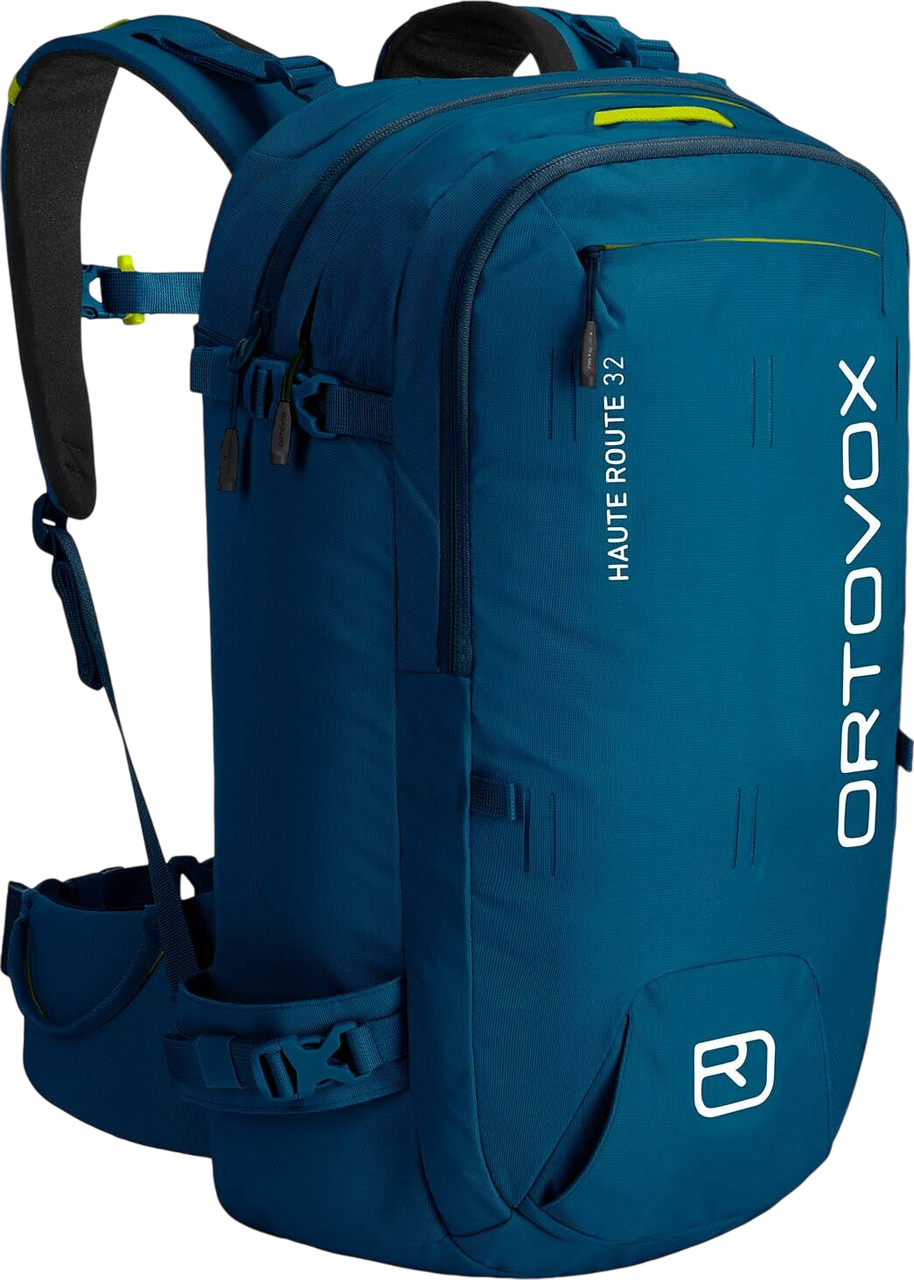
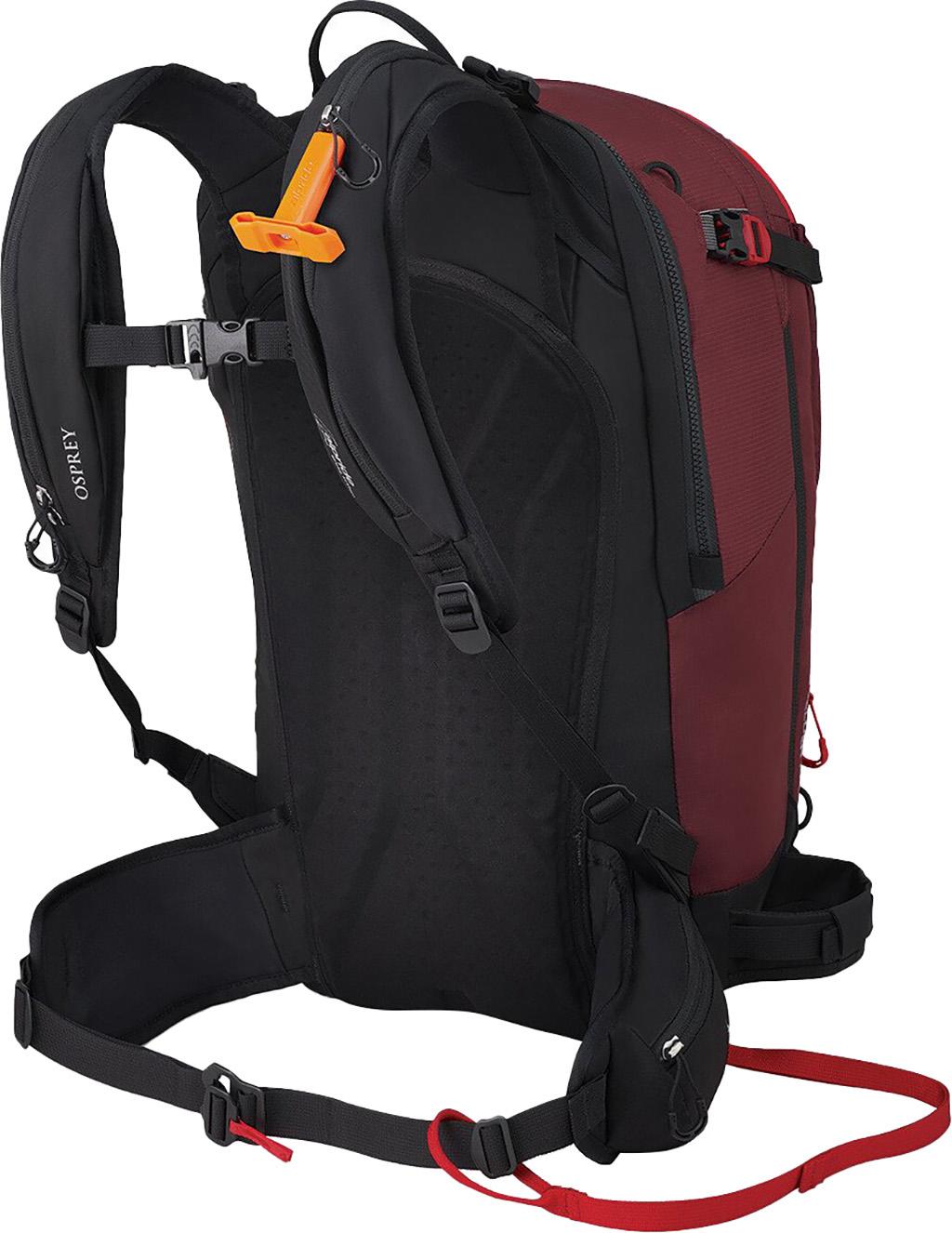
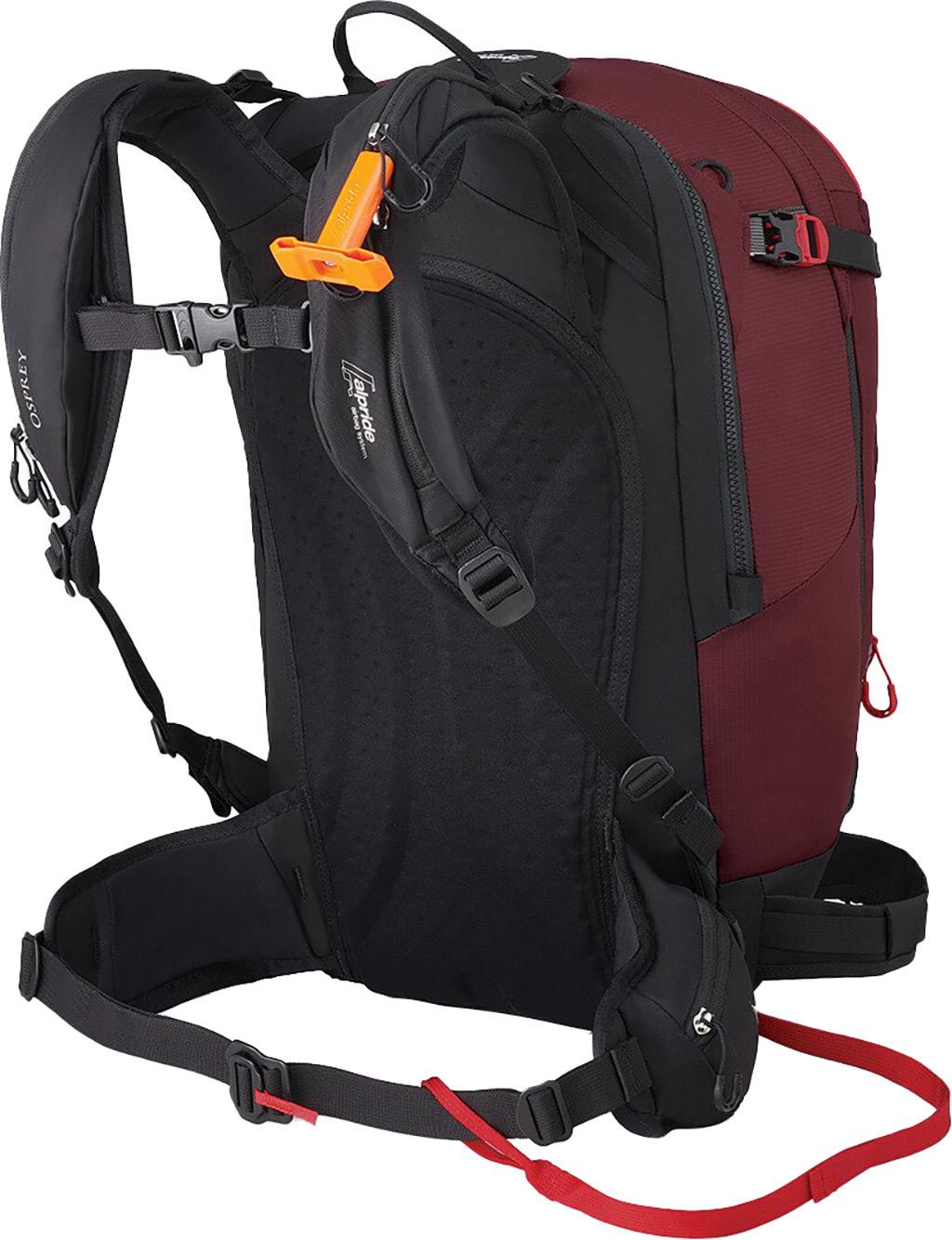
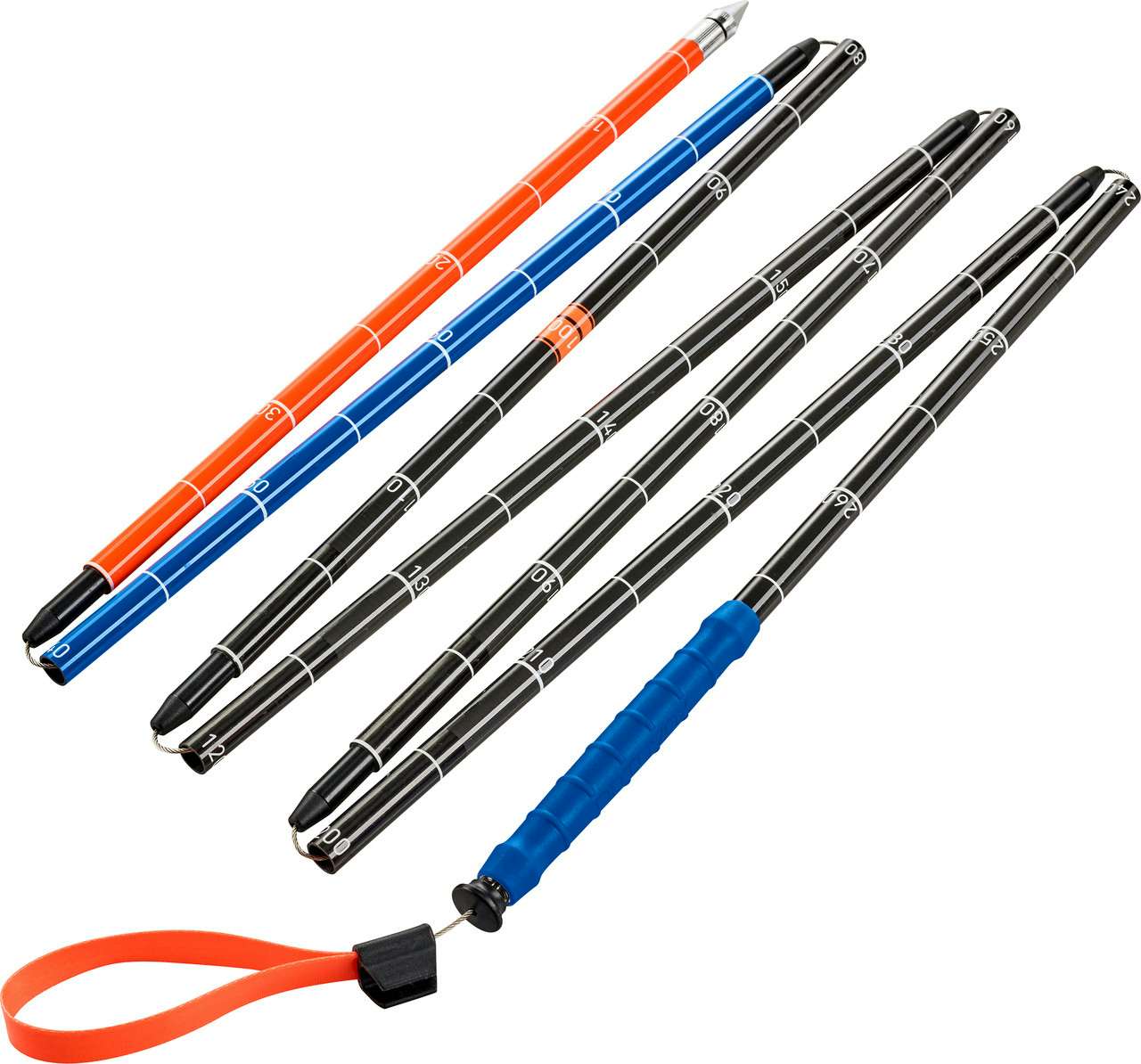
$2,086.73 total · $1,028.59 under retail
The Bottom Line
Use tools like ours to find the deal on the right gear. Don't use them to decide what the right gear is. That decision lives somewhere else — in classrooms, in conversations with experienced people, in practice and repetition, in the moment when you realize something you learned in a course actually saved someone's life.
Take a course. Talk to a guide. Practice with your partners. Then come find the deal.
In the backcountry, track everything: conditions, gear maintenance, your partners' readiness. The algorithm can't do that for you. It shouldn't.
Prices and availability change constantly. Track the gear you want and we'll let you know when it's time to buy.
See a deal you like? Set a target price.
We'll watch it across 18+ retailers and email you when it drops.
Track a price on any product
Explore More Guides
Shop Related Deals
Get notified about new guides
We publish gear guides, deal calendars, and buying strategies. Get them in your inbox — no spam, unsubscribe anytime.
Sent by greatgeardeals · greatgeardeals.com